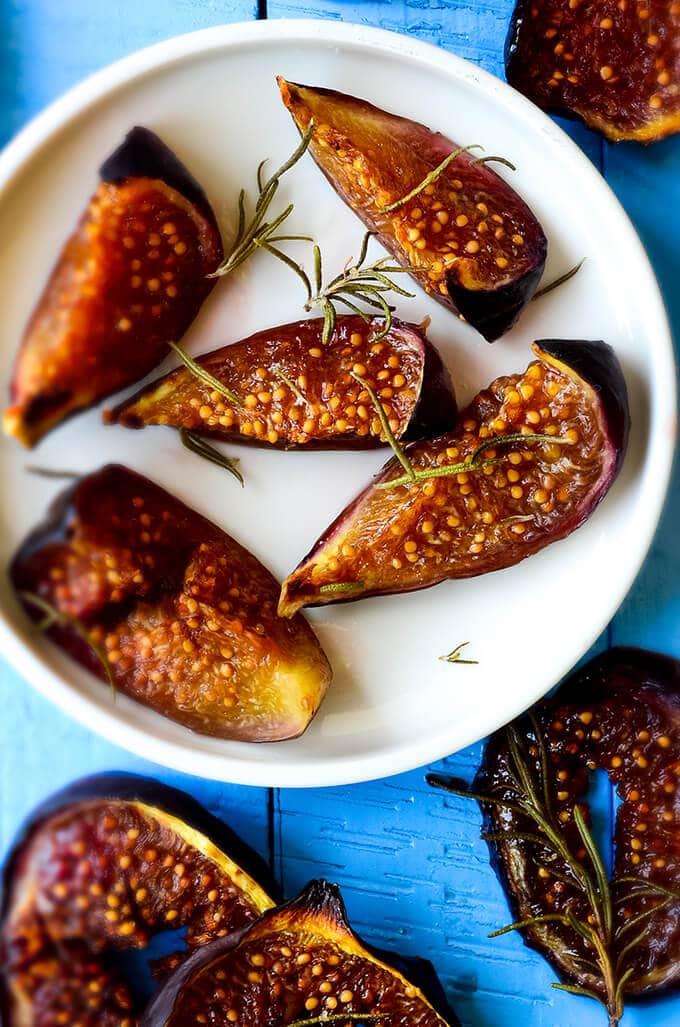
Unlocking the Magic of Roasted Figs: A Gourmet Experience Made Simple
There's an undeniable allure to fresh figs, a brief yet bountiful moment each year when these jewel-toned fruits grace our markets. While often enjoyed raw, their delicate sweetness and jam-like interior transform into something truly extraordinary when kissed by the heat of an oven.
Roasted figs offer a luxurious experience that feels incredibly gourmet, yet requires surprisingly little effort. Whether you're a seasoned home cook or just beginning your culinary adventures, mastering the art of roasting figs will elevate your dishes from everyday to extraordinary. This comprehensive guide will walk you through everything you need to know, from selecting the perfect fruit to enhancing its natural flavors and serving it in both sweet and savory applications, ensuring you roast figs like a true pro.
The Art of Choosing Perfect Figs for Roasting
The foundation of any exquisite roasted fig dish begins with selecting the right fruit. Figs boast two main seasons: a first, often smaller crop in late summer, and a more abundant, typically sweeter second crop that emerges in mid-fall. It's during this latter season, especially towards its end, that figs truly hit their stride, offering peak flavor and often more appealing prices as the market overflows with their bounty. This is the ideal time to stock up and indulge.
When you're at the market, look beyond just the price tag and focus on the tactile and visual cues of ripeness. Figs do not ripen significantly once picked, so choosing them at their prime is paramount. A perfectly ripe fig will feel soft to the touch, much like a water balloon, yielding gently to pressure. Visually, look for figs where the skin is slightly splitting, or appears on the verge of splitting. Another tell-tale sign of a truly sweet and syrupy fig is a tiny droplet of amber-colored sap oozing from the "eye" or ostiole at the bottom. These indicators signal that the fruit's natural sugars have fully developed, making them perfect candidates for roasting. Avoid figs that are hard or show signs of bruising or mold. If you happen upon a flat of exceptionally ripe figs at a bargain price, don't hesitate! These are often the ones closest to perfection, ready to be devoured fresh or transformed into luscious
roasted figs immediately.
Mastering the Roast: Simple Steps to Syrupy Perfection
Roasting figs is an inherently simple process, yet a few key steps and creative additions can elevate them from merely warm fruit to a truly sublime, syrupy delight. The goal is to soften the figs and concentrate their natural sweetness without turning them into an unappealing mush.
Begin by preheating your oven to
375°F (190°C) to ensure even cooking from the moment your figs enter the heat. While the oven warms, gently wash your fresh figs and pat them dry. Most commonly, figs are halved for roasting, which exposes their beautiful interior and allows for even cooking and absorption of flavors. Larger figs can be quartered if preferred. Arrange the prepared figs cut-side up on a baking sheet, ideally lined with parchment paper for easy cleanup.
Now comes the "syrup secret." Figs, while sweet, don't naturally exude a great deal of juice during baking. To achieve that dreamy, rich syrup, a little assistance is often required. This is where your creativity truly shines!
*
Sweet Enhancers: A drizzle of honey is a classic choice, enhancing the figs' natural sugars. Wildflower honey offers complex notes, but maple syrup or agave syrup are excellent vegan alternatives.
*
Acidity & Depth: A good quality aged balsamic vinegar adds a wonderful counterpoint, offering a slight tang and caramel notes that deepen the overall flavor. White balsamic provides a milder acidity, while red wine vinegar can also be used in a pinch.
*
Aromatic Liquids: For an adult-friendly treat, a splash of liqueur can introduce beguiling flavors. Chartreuse brings an intriguing herbal complexity, while rum, Pastis (for an anise hint), or even a sweet red wine like Port or Marsala can be delightful. For a non-alcoholic or kid-friendly version, apple juice, orange juice, or even plain water will suffice, still contributing to the luscious syrup.
*
Fats: A light coating of extra virgin olive oil adds richness and helps with caramelization. A neutral oil like grapeseed oil is a fine alternative.
Before baking, consider adding a tiny pinch of sea salt – it wonderfully balances and amplifies the sweetness. For an extra layer of aroma, tuck a sprig of fresh thyme or rosemary among the figs, or sprinkle a little orange or lemon zest over them. Roast the figs for 15-25 minutes, depending on their size and ripeness, until they are soft, slightly caramelized at the edges, and swimming in a delightful syrup. For a detailed exploration of a popular flavor combination, check out our guide on
Honey Balsamic Roasted Figs: Simple Steps, Gourmet Flavor.
Beyond the Bake: Creative Ways to Serve Roasted Figs
The true magic of
roasted figs lies in their incredible versatility. Once roasted to perfection, these sweet, syrupy morsels can grace an astonishing array of dishes, transitioning seamlessly between sweet and savory realms.
For a delightful start to your day or a light mid-morning treat, gently fold warm or room-temperature roasted figs into your morning bowl of yogurt or cottage cheese, perhaps with a sprinkle of granola. Their rich sweetness provides a natural complement without the need for added sugars.
When dessert calls, roasted figs answer with elegance. Serve them warm with a dollop of fresh goat cheese, mascarpone, or even a simple scoop of vanilla bean ice cream. For a truly indulgent experience, a spoonful of lavender honey ice cream or fig leaf ice cream with a drizzle of the figs' accompanying syrup is pure bliss. They also make a stunning topping for tarts, cheesecakes, or simply enjoyed on their own as a sophisticated, easy dessert.
On the savory side, roasted figs are a revelation. Their sweetness provides a beautiful counterpoint to rich meats. Imagine them served warm alongside succulent roast pork, a juicy roasted chicken, or even rich duck breast. They are a welcome addition to any cheese board, particularly complementing creamy, tangy cheeses like goat cheese, brie, or blue cheese. For an elegant appetizer, spread ricotta cheese on crusty crostini and top with a roasted fig half and a piece of prosciutto. They also add a sophisticated touch to salads, pairing beautifully with peppery arugula, toasted nuts, and a light vinaigrette, or mixed in with roasted root vegetables for an autumnal side dish. Their adaptability truly knows no bounds, making them a secret weapon for any home cook looking to impress. Discover more diverse applications in our article on
Easy Roasted Figs: Sweet Treats, Savory Sides & More.
Troubleshooting and Pro Tips for Roasting Figs
While roasting figs is forgiving, a few tips can help you achieve consistently perfect results and troubleshoot common issues.
*
Preventing Mushiness: The key to figs that are soft but not mushy is ripeness and oven time. Use figs that are just ripe, not excessively overripe. Keep a close eye on them in the oven; once they are soft and glistening, they are done. Overbaking will turn them into a watery pulp.
*
Boosting Syrup: If your figs aren't producing much syrup, ensure you've added sufficient liquid (honey, balsamic, wine, juice) before baking. If after roasting you desire even more syrup, simply transfer the pan juices to a small saucepan and gently reduce them over low heat until thickened to your liking.
*
Experiment with Flavors: Don't be afraid to deviate from the classics. A few drops of vanilla extract or almond extract can add a warm, comforting note. Spices like a pinch of cinnamon, cardamom, or even a tiny grating of fresh nutmeg can introduce exotic depth. Fresh herbs like thyme, rosemary, or even a hint of mint can elevate both sweet and savory applications.
*
Make Ahead: Roasted figs are an excellent item for meal prep. Store them in an airtight container in the refrigerator with their syrup for up to a week. They can be enjoyed cold, at room temperature, or gently reheated in the microwave or a warm oven.
*
Consider the Temperature: While delicious warm, don't underestimate the appeal of
roasted figs at room temperature or even chilled. Their flavors often meld and deepen upon cooling, making them ideal for picnics or advanced meal preparation.
Conclusion
The humble fig, when subjected to the gentle heat of the oven, undergoes a remarkable transformation, emerging as a luscious, syrupy delight. Roasting figs is more than just a cooking technique; it's an invitation to savor the fleeting beauty of fig season with minimal effort and maximum reward. From choosing the perfectly ripe fruit to experimenting with a medley of flavoring agents and exploring an endless array of serving possibilities, you now have all the tools to create stunning dishes. So, the next time fig season rolls around, grab a bounty of these exquisite fruits and confidently embark on your journey to mastering the art of
roasted figs. Your palate will thank you for the gourmet experience.